
In today’s competitive healthcare landscape, retaining patients is just as important as attracting new ones—especially in orthopedics, where continuity of care often spans diagnostics, surgery, rehabilitation, and follow-up. Yet many orthopedic practices struggle with drop-offs in the patient journey due to communication gaps, appointment delays, or inconsistent engagement.
Enter virtual management: a strategic use of digital tools and workflows to manage patient interactions, care coordination, and follow-up outside of traditional in-person encounters. From online scheduling and telemedicine to automated reminders and post-op tracking, virtual management is transforming how orthopedic clinics keep patients engaged—ultimately driving better outcomes and increased loyalty.
This article explores how orthopedic practices can use virtual management to improve patient retention and why it’s becoming a strategic priority for forward-thinking providers.
The Importance of Patient Retention in Orthopedics
Unlike many primary care or urgent care encounters, orthopedic care often involves:
- Multiple visits over weeks or months
- Surgical planning and recovery phases
- Ongoing therapy or rehab services
- Long-term monitoring of joint health or chronic musculoskeletal conditions
If patients disengage at any point of that continuum, the impact is twofold:
- Clinical outcomes suffer, as incomplete care leads to poor recovery, complications, or avoidable re-injury.
- Revenue is lost, as practices miss out on downstream visits, procedures, and therapy appointments.
Patient retention is not just about keeping people in the door—it’s about guiding them through a comprehensive, high-quality orthopedic care journey. Virtual management enhances this continuity.
What Is Virtual Management in an Orthopedic Practice?
Virtual management refers to the use of digital platforms, automation tools, and virtual communication to manage non-physical aspects of patient care. In orthopedics, this can include:
- Online scheduling and digital check-in
- Patient portals and secure messaging
- Telehealth for pre- and post-op consultations
- Automated appointment reminders and follow-ups
- Remote physical therapy platforms
- Digital post-op instructions and recovery tracking
- Two-way communication for questions, concerns, or education
By integrating these tools into practice operations, orthopedic clinics stay better connected to patients throughout the care cycle.
Key Ways Virtual Management Enhances Patient Retention
1. Reduced Appointment Friction
Long phone hold times, limited office hours, and rigid scheduling processes often lead patients to cancel or delay appointments. With virtual management:
- Patients can schedule or reschedule online 24/7
- Digital check-in speeds up the process and reduces paperwork
- Mobile reminders reduce no-shows and late arrivals
- Waitlist notifications fill gaps and keep patients engaged
Making it easier to access care reduces frustration and increases follow-through—key components of long-term retention.
2. Improved Pre-Operative Preparation
Many orthopedic procedures require careful preparation, including lab work, imaging, medication reviews, and consent forms. Virtual tools streamline this process:
- Automated checklists guide patients through each pre-op step
- Digital forms eliminate the need for extra office visits
- Reminders ensure nothing is missed before surgery
When patients feel supported and informed before a procedure, they’re more likely to proceed confidently and remain committed to follow-up care.
3. Stronger Post-Operative Follow-Up
One of the most vulnerable points in the patient journey is post-surgery. If communication breaks down or recovery instructions are unclear, patients may disengage or seek care elsewhere.
Virtual management improves retention during this phase by:
- Sending customized post-op instructions via app, email, or portal
- Offering virtual follow-up visits when appropriate
- Using recovery trackers or surveys to monitor pain, mobility, and healing
- Triggering alerts for clinical staff when a patient reports concerning symptoms
These tools help patients stay on track—and feel connected to their care team—even when they’re healing at home.
4. Engagement Between Appointments
Retention isn’t just about the moments inside the clinic—it’s about staying top-of-mind between visits. Virtual management supports this by:
- Delivering educational content tailored to the patient’s condition
- Providing progress tracking tools for therapy or recovery goals
- Offering messaging portals for quick, non-urgent questions
- Sending health check-ins or surveys to monitor patient satisfaction
When patients feel supported throughout their recovery—not just at appointments—they’re more likely to return and recommend the practice to others.
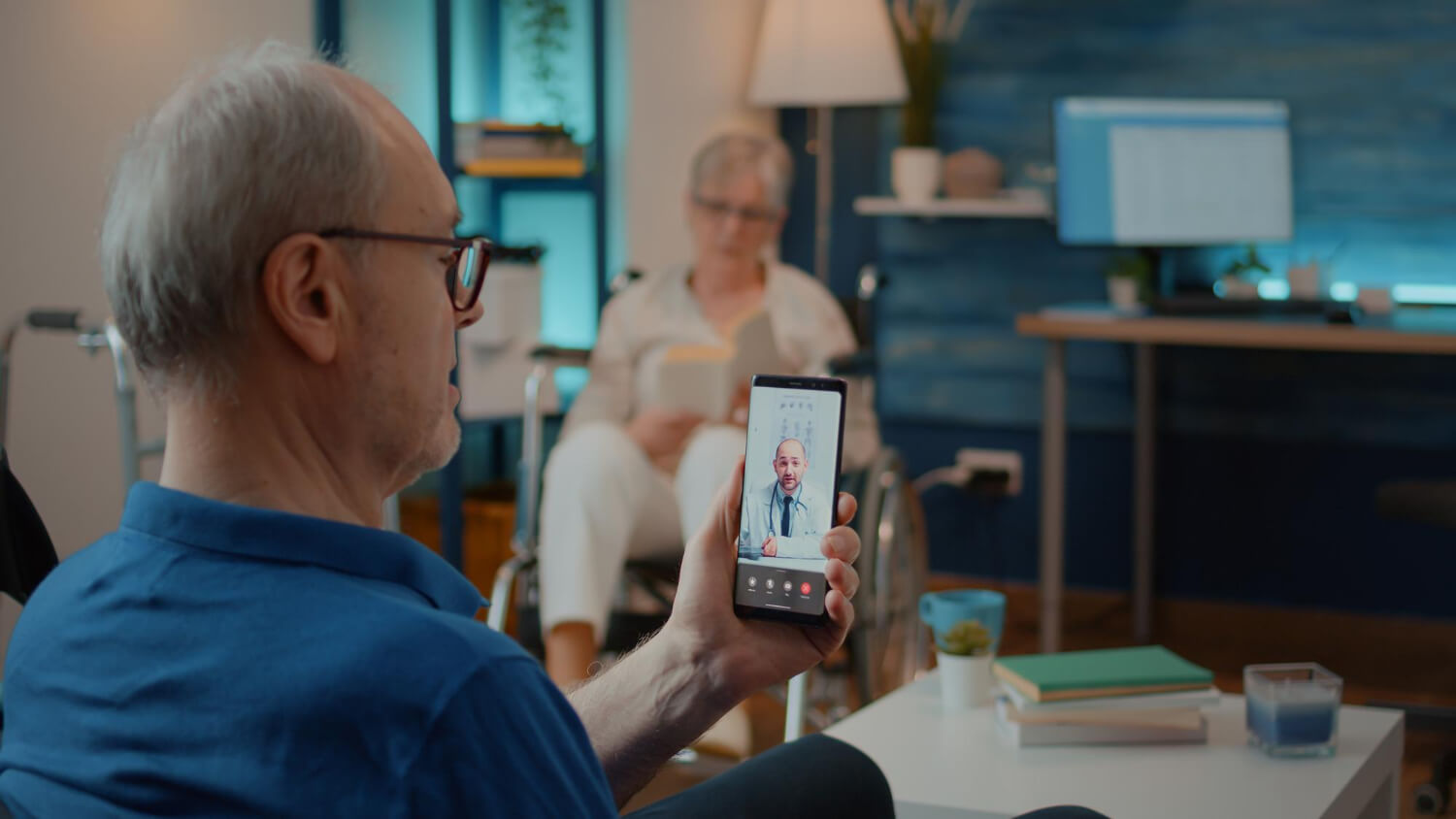
5. Access to Telehealth and Remote Services
Telemedicine isn’t just a convenience—it’s a retention tool. Especially for follow-up visits, therapy check-ins, or initial consultations, telehealth offers:
- Greater accessibility for patients with transportation or mobility challenges
- Faster access to care, reducing delays between injury and treatment
- Flexibility for patients balancing work, family, or travel commitments
Providing virtual alternatives helps retain patients who might otherwise drop off due to scheduling or logistical barriers.
6. Data-Driven Patient Retention Strategies
Virtual platforms generate valuable data on patient engagement behaviors—such as missed appointments, incomplete forms, or delayed responses. Practices can use this data to:
- Identify patients at risk of disengaging
- Trigger personalized outreach to re-engage them
- Optimize communication timing and formats
- Adjust workflows to improve satisfaction and adherence
This data-informed approach enables proactive retention, not just reactive follow-up.
Operational Benefits of Virtual Management
While the patient-facing benefits of virtual management are clear, orthopedic practices also gain operational advantages that support retention.
Streamlined Staff Workflows
Automating routine communication—reminders, follow-ups, surveys—frees up staff to focus on high-value interactions. It also reduces errors, improves consistency, and ensures that no patients fall through the cracks.
Lower No-Show Rates
Practices using automated reminders, confirmation requests, and online scheduling tools often see significant drops in no-show rates—improving scheduling efficiency and revenue predictability.
Scalable Growth
Virtual tools allow practices to handle more patients without proportionally increasing administrative staff—supporting growth without sacrificing the patient experience.
Best Practices for Implementing Virtual Management in Orthopedics
To successfully use virtual management for patient retention, orthopedic practices should follow a strategic approach.
1. Map the Patient Journey
Identify key touchpoints where patients may disengage—before procedures, during recovery, or between therapy sessions. Design virtual interventions to support those points.
2. Choose Integrated Platforms
Select digital tools that integrate with your EHR, billing system, and patient portal. Fragmented solutions create data silos and complicate workflows.
3. Prioritize Ease of Use
Ensure that tools are user-friendly for both patients and staff. Mobile compatibility, intuitive design, and multilingual support can enhance adoption and retention.
4. Train Your Team
Invest in training so clinical and administrative staff understand how to use virtual tools effectively—and how to explain them to patients.
5. Monitor Metrics
Track engagement rates, no-show rates, follow-up adherence, and patient satisfaction scores. Use this data to refine and improve your virtual management strategies.
Addressing Common Concerns
Some orthopedic practices may hesitate to adopt virtual management due to perceived barriers. Let’s address a few:
“Our patient population isn’t tech-savvy.”
While it’s true that some older patients prefer traditional communication, many are comfortable with smartphones, emails, and online portals—especially when tools are simple and intuitive.
“We’re too busy to implement new systems.”
Virtual management actually reduces long-term workload by automating time-consuming tasks. Implementation can be phased in gradually to minimize disruption.
“Our care is hands-on—virtual won’t help.”
Virtual tools don’t replace physical care; they enhance everything around it. From scheduling to education to follow-up, digital workflows support—not substitute—hands-on care.
Real Results: The Impact of Virtual Management
Orthopedic practices that implement virtual management tools report:
- Improved patient satisfaction and online reviews
- Higher follow-through rates for therapy and follow-up care
- Increased re-bookings and procedure conversions
- Reduced no-shows and cancellations
- Greater efficiency in patient communication workflows
These outcomes directly support both clinical success and financial performance.
In orthopedics, where patient relationships often span months of treatment and recovery, retention is critical. Virtual management provides the infrastructure to guide patients through the entire journey, keeping them informed, engaged, and connected from start to finish.
By reducing friction, enhancing communication, and enabling personalized support, virtual tools not only improve patient experience they increase loyalty, improve outcomes, and drive long-term growth for orthopedic practices.
At OrthoFlorida, we help orthopedic practices implement virtual management strategies tailored to their workflows and patient needs, ensuring higher retention, better outcomes, and sustainable success.
If you’re ready to strengthen your connection with patients and improve continuity of care, explore how virtual management can elevate your practice.